Web · React
Super Admin (six-site SLA heat) and Clinic Admin (Harbor North queues, accept/return referral, assign imaging). Built for the front desk PC and the practice manager laptop.
ShippedRiverbend Clinic Group runs family medicine, cardiology, and imaging across six outpatient sites. Before this build, a referred patient could wait three days because the letter sat in a shared inbox — while reception still retyped the same insurance card the patient had already filled on paper.
What shipped: React web for Super Admin and Clinic Admin; native iOS and Android apps for patients (intake + My Journey). Same Go API. Phased go-live, site by site, over 14 weeks.
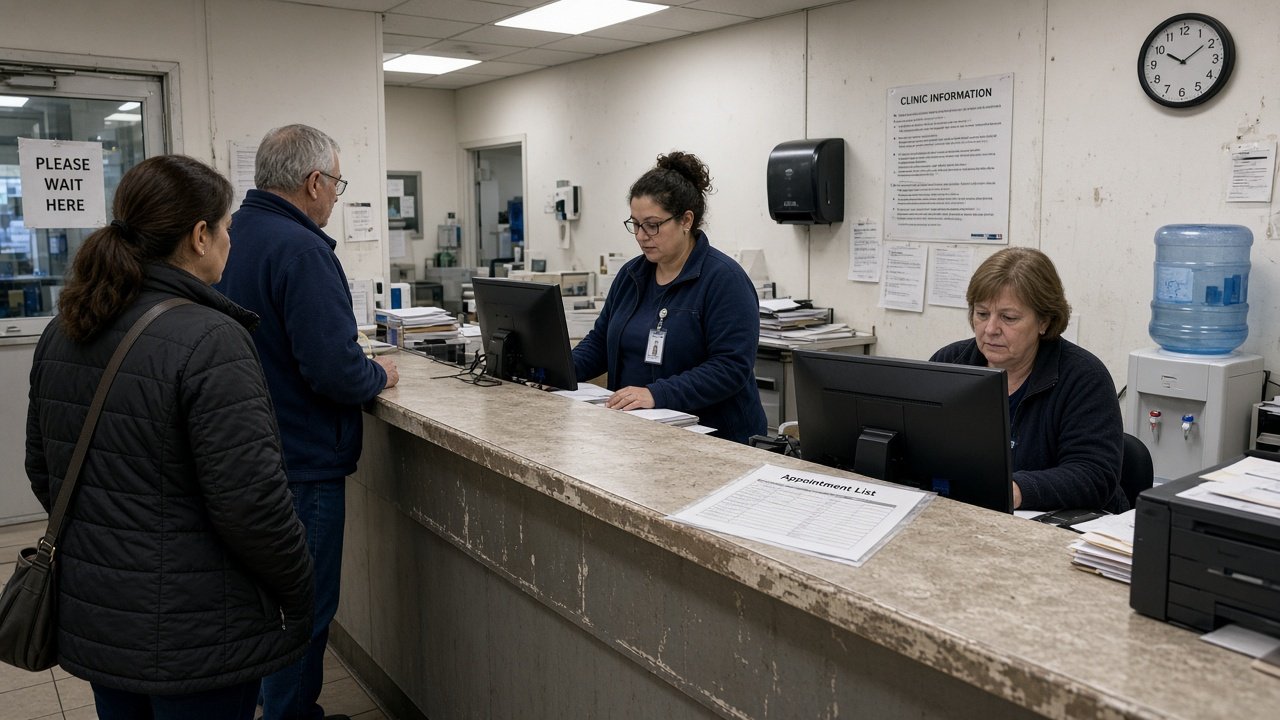
Staff work the queues on a desktop. Patients finish intake and watch referral status on the phone they already carry. Same Go API on every platform.
Super Admin (six-site SLA heat) and Clinic Admin (Harbor North queues, accept/return referral, assign imaging). Built for the front desk PC and the practice manager laptop.
ShippedNative patient app: start or finish intake at home, see “cardiology accepted,” echo date, huddle wait. Push when a step changes. Same journey as the web board.
ShippedNative patient app with the same My Journey list. Walk-in can complete the form in the chair on Android if they did not do it on iPhone at home.
ShippedHarbor North’s 8 a.m. list mixed walk-ins and booked slots. Staff photocopied insurance cards, then typed the same fields into the chart. Cardiology referrals went to cardio.referrals@… — a mailbox four people watched when they had time. Imaging kept a whiteboard. Patients called after lunch because nobody could say if the referral had been opened.
“We were losing mornings to ‘has cardio seen this yet?’ — not to actual care.”
Priya Shah, practice manager, Harbor North
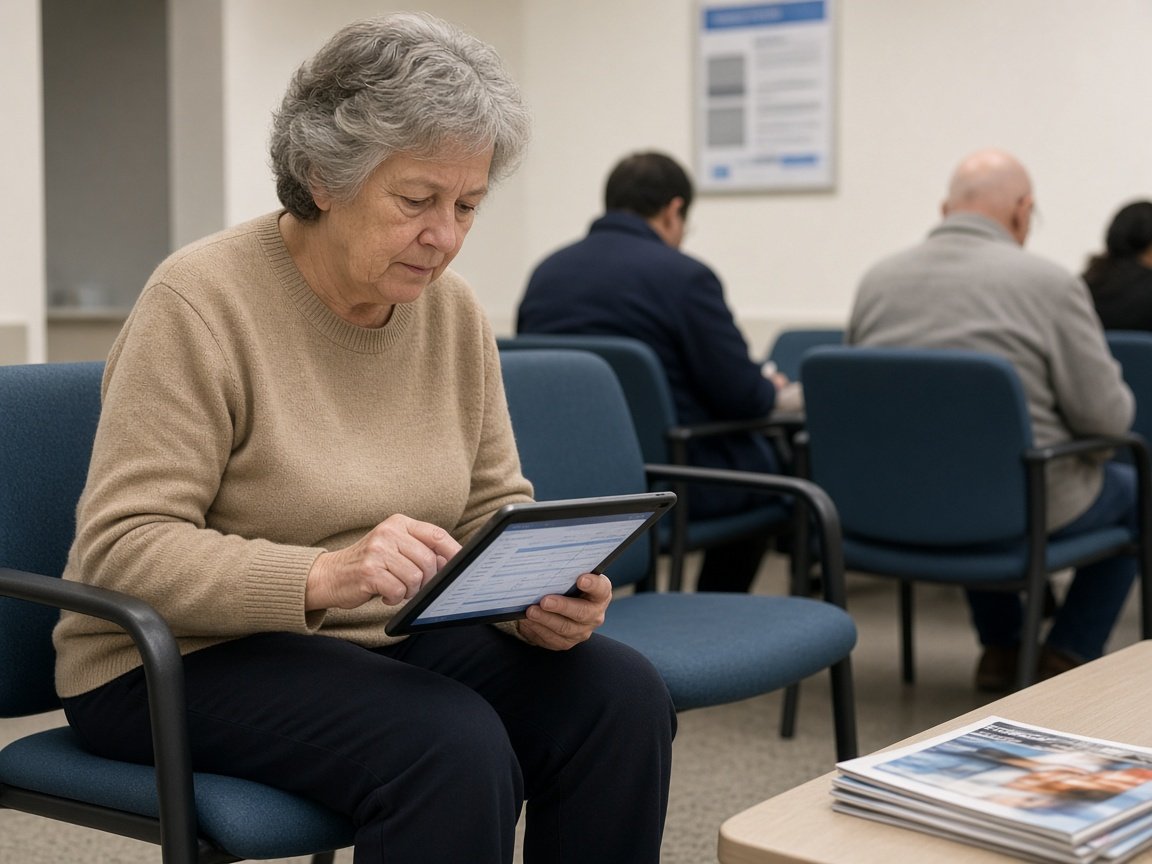
Each point maps to intake, referrals, or coordination — with a before and after from Harbor North, not a slogan.
Walk-ins and booked slots share one queue. Jordan completes ID, payer, meds, and reason on iOS/Android or the clinic tablet. Front desk confirms. Incomplete forms stay on My Journey and on Priya’s morning list.
Photocopy the card, then rekey name, DOB, payer into the chart. Errors showed up at billing.
One digital intake. Web queue shows who is still in the chair with an unfinished form.
Family medicine sends reason, meds, last ECG note. Harbor Cardiology accepts, asks for more, or declines. SLA is one business day. Jordan sees “accepted” on the phone instead of calling reception.
Letter in cardio.referrals@ — four people, no clock, 48–72 hours common.
Queued to Dr. Nair. Most accepts same day. Super Admin sees the eight past SLA across six sites.
When cardiology accepts, the coordinator books echo Thu 11:30 Dept B. After the study, a huddle task lands on Nurse Ravi. Primary care sees it without a hallway ask. The phone call is logged on RB-10482, not a sticky note.
Imaging whiteboard + huddle spreadsheet that drifted by lunch.
Same board at the desk and in the 16:00 huddle. Next owner is named when the step closes.
Intake is not retyped. The referral is not forwarded as an attachment. Imaging is not a “please chase radiology” call. Each close writes the next owner into Go so two lists cannot disagree.
Paper packet, email forward, hallway status.
One journey record. Handoff = a task, not a photocopy.
Clinic Admin sees 12 inbound referrals and who is past the one-day SLA. Super Admin sees the same heat across six sites. Approvals that sat two days now usually land before close of play.
Whoever opened email first owned the letter.
Named owner + timer. Same-day cardio accept is the default, not the exception.
Front desk, cardiology, imaging, Nurse Ravi, and Jordan all look at RB-10482. Web for staff. iOS and Android for the patient. After 11:40 the 2 p.m. “has cardio seen this?” call does not happen.
Three lists that never matched after 11 a.m.
One status: intake done · cardio accepted · echo booked · huddle wait.
Front desk
Walk-ins and booked slots share one queue. Staff confirm tablet intake, print a wrist-label only if needed, and see who still has an unfinished form — not a stack of clipboards from 7:30 a.m.
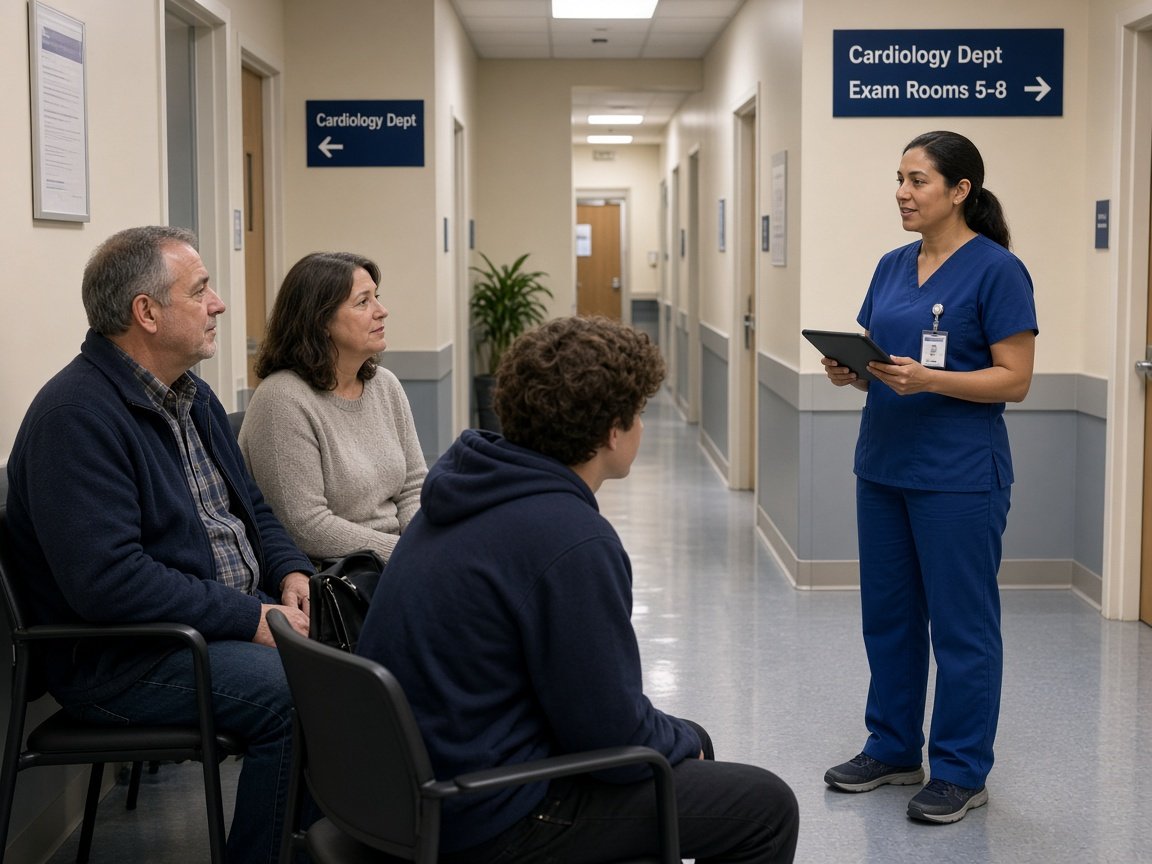 Specialty
Cardiology, ortho, and others work an inbound queue. SLA timers flag referrals that sit too long. Super Admin sees network-wide backlog without opening each clinic.
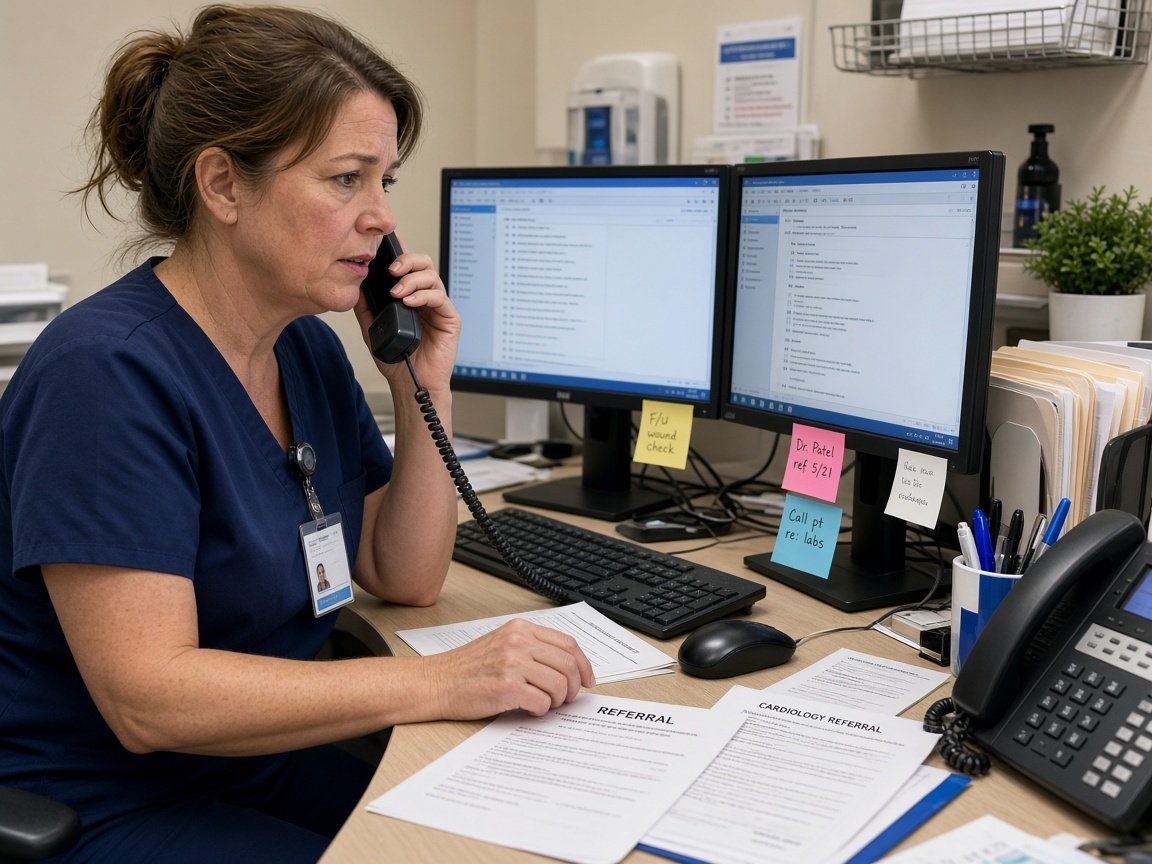 Coordination
The same board used in the meeting is the board used at the desk. No separate “huddle spreadsheet” that drifts from reality by lunchtime.
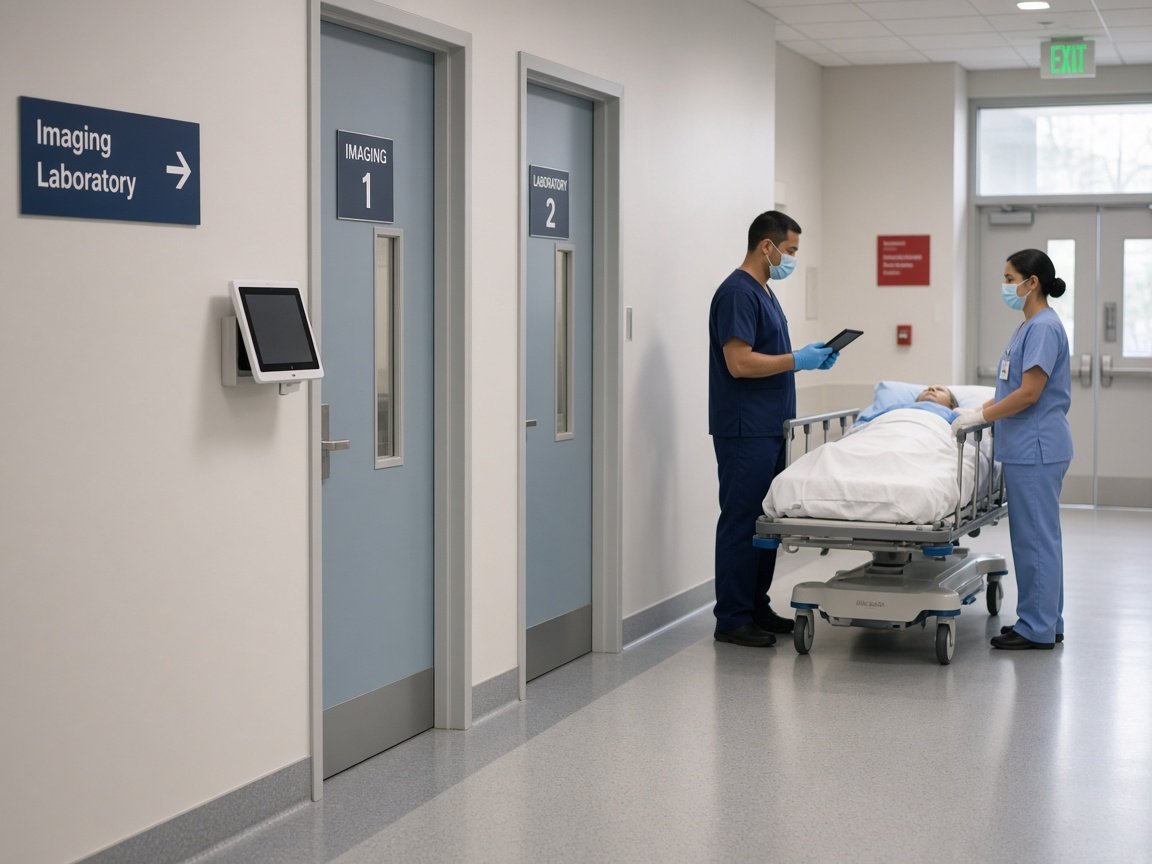 Departments
Orders and results attach to the journey. When imaging is done, the next owner is already named — fewer “please chase radiology” calls.
Same journey record. Super Admin sees six sites. Clinic Admin works Harbor North’s list. Jordan only sees RB-10482.
Priya’s counterpart at group level. They watch Harbor North, Riverside, East Wing, Lakeside, and two smaller sites: unfinished intake after 9 a.m., cardiology queue older than one day, imaging with no owner. They do not assign Nurse Ravi’s tasks.
| Site | Patient | Step | Age |
|---|---|---|---|
| Harbor North | RB-10482 | Cardio accept | 2h |
| Riverside | RB-09811 | Intake incomplete | 41m |
| East Wing | RB-11004 | Echo — no owner | 1d 3h |
| Lakeside | RB-08762 | Huddle booked | Today 16:00 |
Priya’s board at Harbor North: 41 people on site, 12 inbound specialty referrals, 7 waiting on echo. She assigns Dr. Nair, books imaging, and nudges incomplete intake before the 11 a.m. rush — without opening the old shared mailbox.
| MRN | Step | Owner | Due |
|---|---|---|---|
| RB-10482 | Cardio referral | Dr. Nair | Accepted 11:40 |
| RB-10482 | Echo | Imaging desk | Thu 11:30 |
| RB-09901 | Tablet intake | Front desk | Still in chair |
| RB-08762 | Care huddle | Nurse Ravi | 16:00 |
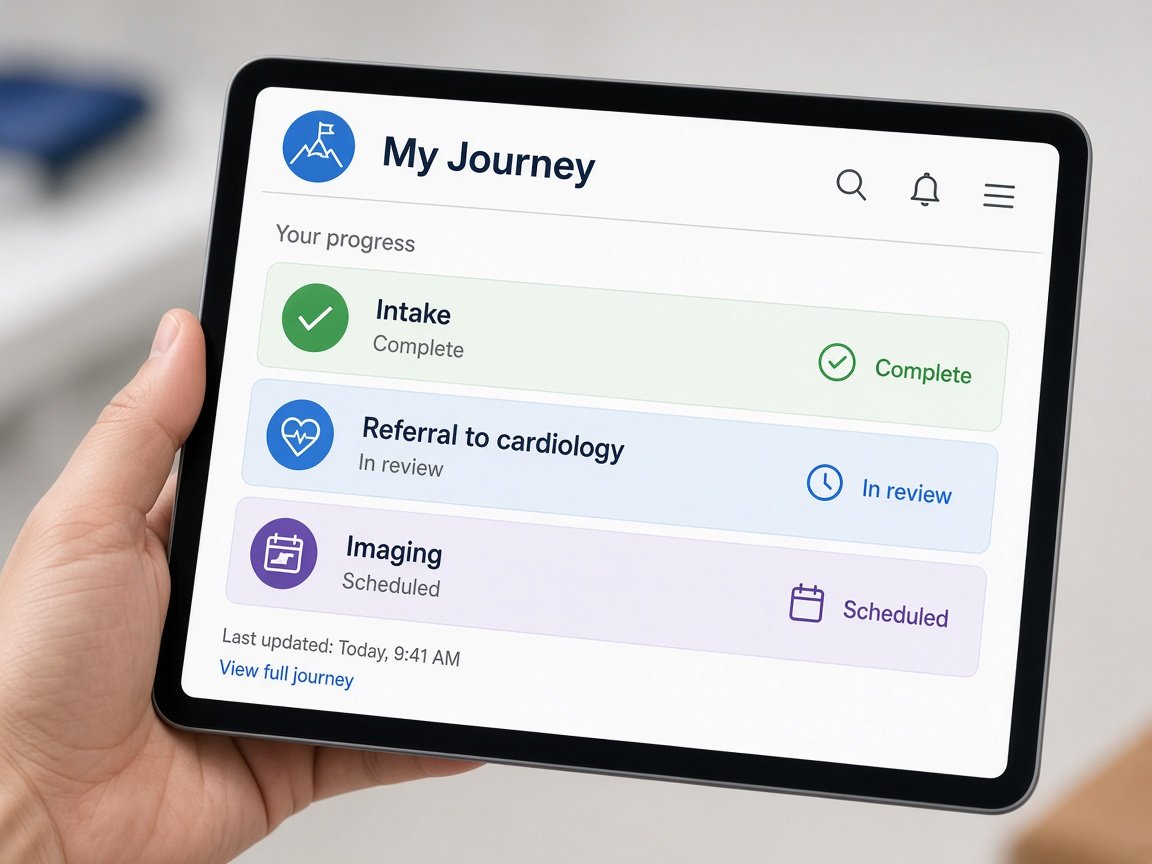
Shipped for iPhone and Android. Jordan does not see other patients. After 11:40 the list reads: intake done, cardiology accepted, echo booked Thu 11:30 Dept B. That is why the 2 p.m. call never happens.
Harbor North
Jordan M. · RB-10482
Patient completes the form. Go stores the journey and Clinic Admin sees them in today’s queue.
Clinician sends a structured referral. The receiving queue gets an owner and a clock.
Imaging, nursing, and specialty update the same timeline. Handoffs are tasks, not hallway notes.
Patient sees the next step on My Journey. Super Admin sees whether the network is keeping SLA.
Super Admin and Clinic Admin ship as React web. Patients use native iOS and Android apps for intake and My Journey. The Go API holds journey state so the phone and the front-desk PC cannot disagree about RB-10482.
Clinic records stay in the existing chart. We integrate through APIs so staff are not asked to retype. Push on iOS/Android fires when a referral is accepted or imaging is booked.
Super Admin network board and Clinic Admin queues — desktop at the desk and laptop in the office.
Native patient apps: finish intake, watch referral status, echo date, push when a step moves.
Journey state, approvals, notifications, and an audit of every handoff.
Who can accept a referral, when a step is overdue, and which department is next.
Intake is confirmed at the desk, not retyped. Cardiology has an owner and a one-day clock. Echo is a step on the journey, not a whiteboard in imaging.
Most Harbor Cardiology accepts now land the same day instead of sitting in a mailbox for 48–72 hours. Clinic Admin works a queue, not a shared inbox.
Jordan, Dr. Nair, imaging, and Nurse Ravi look at RB-10482. Reception stops being the only person who knows whether cardio has replied.
We will map Super Admin and Clinic Admin on the web, and My Journey on iOS and Android, onto a React + Go platform you own.